

Teeth Whitening Strips Explained: How They Work & What Australians Should Know
Teeth Whitening Strips Explained
Teeth whitening strips have become one of the most popular at-home ways to brighten your smile in Australia. These thin, flexible strips coated with a whitening gel promise quick results without the need for an in-clinic visit. But how do teeth whitening strips actually work, and are they truly safe and effective for Australian users?
In this guide, we’ll explain what teeth whitening strips are, how they work, what to look out for, and whether they’re the right choice for you. We’ll also explore professional whitening alternatives available at Australian dental practices like Redcliffe Dental.
What Are Teeth Whitening Strips?
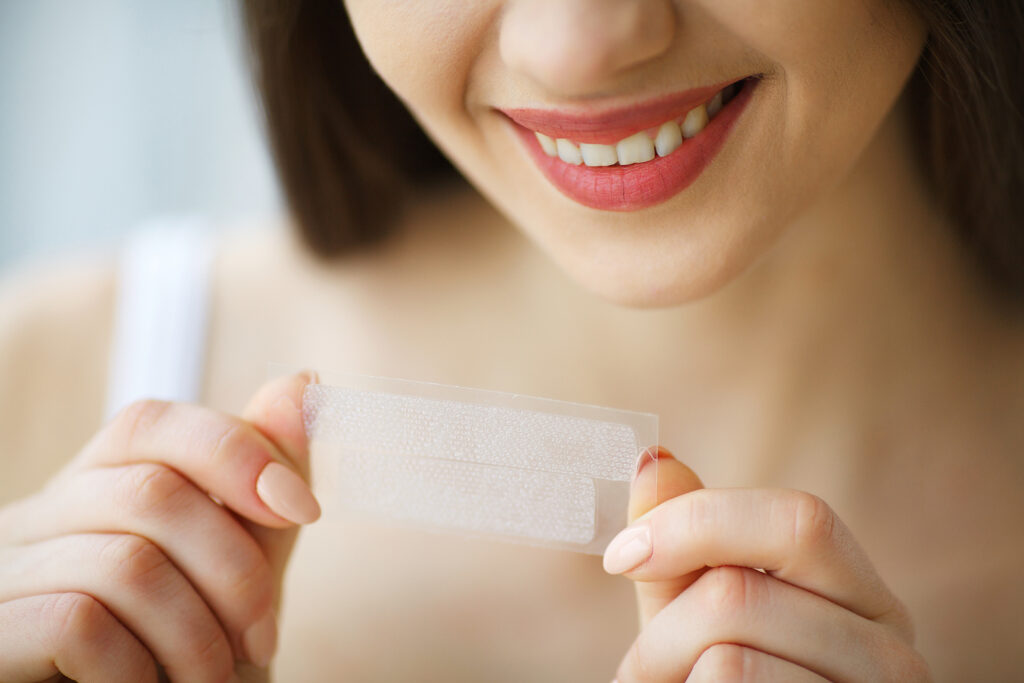
Teeth whitening strips are thin, flexible plastic pieces coated with a peroxide-based whitening gel. They adhere to the front surface of your teeth, allowing the whitening agent to break down stains and lighten discolouration over time.
Common Ingredients
Most strips contain either:
- Hydrogen peroxide – a strong bleaching agent that oxidises surface and deep stains.
- Carbamide peroxide – a gentler, slower-acting alternative that converts into hydrogen peroxide.
Both ingredients target stains caused by coffee, tea, wine, tobacco, and natural enamel ageing.
How Do Teeth Whitening Strips Work?
Whitening strips work through a chemical oxidation process. When applied to your teeth, the active peroxide ingredient releases oxygen molecules that react with stain compounds in the enamel. This breaks apart discoloured molecules, resulting in a lighter and brighter tooth shade.
Step-by-Step: How Whitening Strips Are Used
- Apply the strip: Place one strip on the upper teeth and one on the lower, pressing gently to ensure full contact.
- Wait: Leave on for the recommended time (usually 15–45 minutes).
- Remove and rinse: Peel off the strips and rinse your mouth to remove residue.
- Repeat: Follow the instructions for the full course, typically 7–14 days.
Types of Teeth Whitening Strips in Australia
Australians can find several types of whitening strips at pharmacies and online. Choosing the right one depends on your goals, enamel sensitivity, and budget.
| Type | Key Features | Best For | Example Brands* |
| Standard Whitening Strips | Contain hydrogen peroxide for fast whitening | Mild to moderate stains | Oral-B 3D White, Crest Whitestrips |
| Sensitive Teeth Whitening Strips | Use lower peroxide levels or alternative ingredients | Sensitive enamel | Hismile, White Glo Sensitive |
| Professional Teeth Whitening Strips | Higher concentration of peroxide, often dentist-approved | Deep stains or rapid results | Zoom! Whitening Strips |
| Natural or Peroxide-Free Strips | Use baking soda or natural extracts | Mild surface stains, daily maintenance | Bondi Boost, Spotlight Oral Care |
*Always check that products are compliant with Australian Therapeutic Goods Administration (TGA) regulations.
Are Teeth Whitening Strips Safe?
When used as directed, most teeth whitening strips are considered safe for short-term use. However, not all strips are created equal, and misuse or overuse can lead to side effects.
Possible Side Effects
- Tooth Sensitivity: Common when peroxide penetrates the enamel.
- Gum Irritation: If the gel touches soft tissues.
- Uneven Whitening: Occurs if strips don’t adhere properly.
- Enamel Damage (in rare cases): With overuse or unregulated high-peroxide products.
Safety Tips
- Always read product instructions carefully.
- Avoid overlapping the strips onto the gums.
- Use for the recommended duration only.
- Consult your dentist before using whitening strips, especially if you have fillings, crowns, or sensitive teeth.
Whitening Strips vs Professional Teeth Whitening
While whitening strips are affordable and convenient, professional teeth whitening performed by a dentist offers stronger, safer, and more predictable results.
| Feature | Whitening Strips | Professional Whitening |
| Cost (AUD) | $20–$80 | $350–$800+ |
| Active Ingredient Strength | 3–10% hydrogen peroxide | Up to 35% hydrogen peroxide |
| Time to See Results | 1–2 weeks | 1 session (1–2 hours) |
| Customisation | One-size-fits-all | Tailored to your teeth shade and sensitivity |
| Longevity | 1–3 months | 6–12 months |
| Safety Monitoring | Self-administered | Supervised by dental professional |
If you’re looking for long-term results with minimal risk, in-chair whitening at clinics like Redcliffe Dental offers professional-grade gels and advanced LED activation for faster, more even whitening.
Do Whitening Strips Work on All Types of Stains?
Not all tooth discolourations respond equally to whitening strips. Their effectiveness depends on the type and cause of your stains.
| Stain Type | Responds Well? | Notes |
| Surface (Extrinsic) Stains | ✅ Yes | From coffee, wine, smoking |
| Deep (Intrinsic) Stains | ⚠️ Limited | From trauma or medication use |
| Age-Related Discolouration | ⚠️ Partial | Can lighten but not fully remove |
| Dental Restorations (Crowns, Fillings, Veneers) | ❌ No | Strips cannot whiten artificial materials |
If you have internal or stubborn stains, your dentist might recommend custom whitening trays or professional-grade treatments.
How to Choose the Best Teeth Whitening Strips in Australia
When selecting whitening strips, consider the following factors:
- TGA Approval: Ensure the product meets Australian safety standards.
- Peroxide Concentration: For sensitive teeth, opt for 3–6% hydrogen peroxide.
- Brand Reputation: Choose well-reviewed, dentist-endorsed brands.
- Treatment Duration: Match your lifestyle – short-term intensive vs gradual whitening.
- Sensitivity Level: If you experience discomfort, switch to strips for sensitive teeth.
Recommended for Sensitive Teeth
- Hismile PAP+ Whitening Strips – peroxide-free and enamel-safe.
- White Glo Sensitive Whitening Strips – lower-strength peroxide with desensitising agents.
Common Mistakes When Using Whitening Strips
To maximise results and avoid irritation, avoid these common errors:
- Leaving strips on too long – more time doesn’t mean better whitening.
- Using them too frequently – can erode enamel.
- Not brushing before application – plaque blocks whitening agents.
- Using strips after dental work – may cause uneven colouration.
Tip: Always wait at least 30 minutes before eating or drinking after use to allow enamel pores to close.
How Long Do Results Last?
Results from whitening strips typically last 1 to 3 months, depending on your diet and oral hygiene. Stains can reappear faster if you consume staining foods or smoke.
Maintenance Tips
- Use a whitening toothpaste for upkeep.
- Limit coffee, tea, and red wine.
- Rinse your mouth after consuming dark beverages.
- Schedule touch-up treatments every few months if needed.
Are Whitening Strips Suitable for Everyone?
Whitening strips aren’t suitable for all individuals. Avoid them if you:
- Have gum disease, tooth decay, or exposed roots.
- Are pregnant or breastfeeding (consult your dentist first).
- Have crowns, fillings, or veneers in visible areas.
- Are under 18 years old.
For these cases, your dentist can recommend safer, customised whitening options.
Quick Answers: Whitening Strips at a Glance
Q: How long should I use whitening strips?
A: Most products recommend 7–14 days of daily use.
Q: Can I use whitening strips on dental crowns?
A: No. Whitening gels do not change the colour of crowns or fillings.
Q: What should I do if I experience tooth sensitivity?
A: Pause use for a few days and switch to sensitive-teeth whitening strips.
Q: Are whitening strips better than whitening toothpaste?
A: Strips offer more contact time and stronger whitening results.
Q: Is professional whitening safer?
A: Yes. Dentists use regulated gels and monitor for enamel protection.
Professional Whitening at Redcliffe Dental
At Redcliffe Dental, our professional teeth whitening treatments are designed to safely deliver long-lasting brightness. We use Philips Zoom! and custom take-home whitening kits to suit your needs, enamel type, and sensitivity.
Our dentists assess your oral health, recommend the right peroxide strength, and ensure you achieve your desired results comfortably.
To find out which whitening option suits you best, book a consultation with our experienced team today.
FAQs
- Do teeth whitening strips actually work?
Yes, they work on surface stains but offer limited improvement for deep or intrinsic discolouration. - Can I combine whitening strips with professional whitening?
It’s not recommended. Using both can cause enamel sensitivity or over-whitening. Always seek professional advice first. - Are there any peroxide-free whitening strips available in Australia?
Yes. Brands like Hismile and Bondi Boost offer PAP+ peroxide-free options safe for sensitive teeth. - Can whitening strips damage enamel?
Not when used correctly. Overuse or high-peroxide non-TGA-approved products can increase enamel wear. - How do I maintain whitening results after using strips?
Maintain good oral hygiene, avoid staining foods, and see your dentist for periodic touch-ups or professional cleaning.
Final Thoughts
Teeth whitening strips can be a convenient, cost-effective way to brighten your smile, but they come with limitations. For consistent, long-lasting, and safe results, professional teeth whitening remains the gold standard.
Whether you’re considering over-the-counter whitening or an in-clinic procedure, the key is to consult a qualified dentist before starting. At Redcliffe Dental, we’re here to help you choose the safest and most effective whitening option for your smile.
0